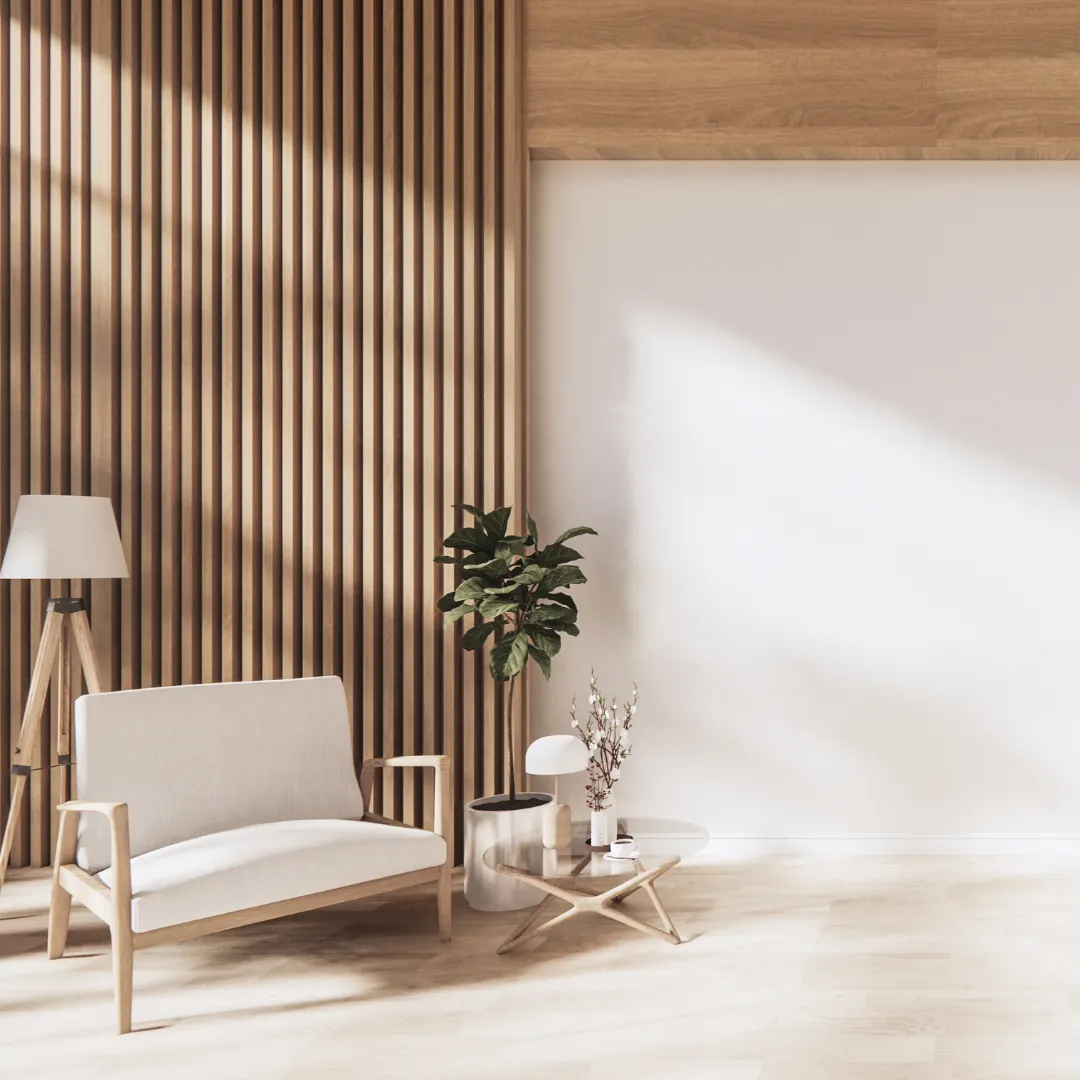
The benefits of WPC Cladding
No painting or sealing
Never needs painting, sealing or staining — an occasional rinse keeps it clean.
Won't rot or splinter
Stands up to Florida's humidity and rain without the rot and splinters of wood.
Inside and out
Works on exterior walls and interior feature walls.
WPC Cladding
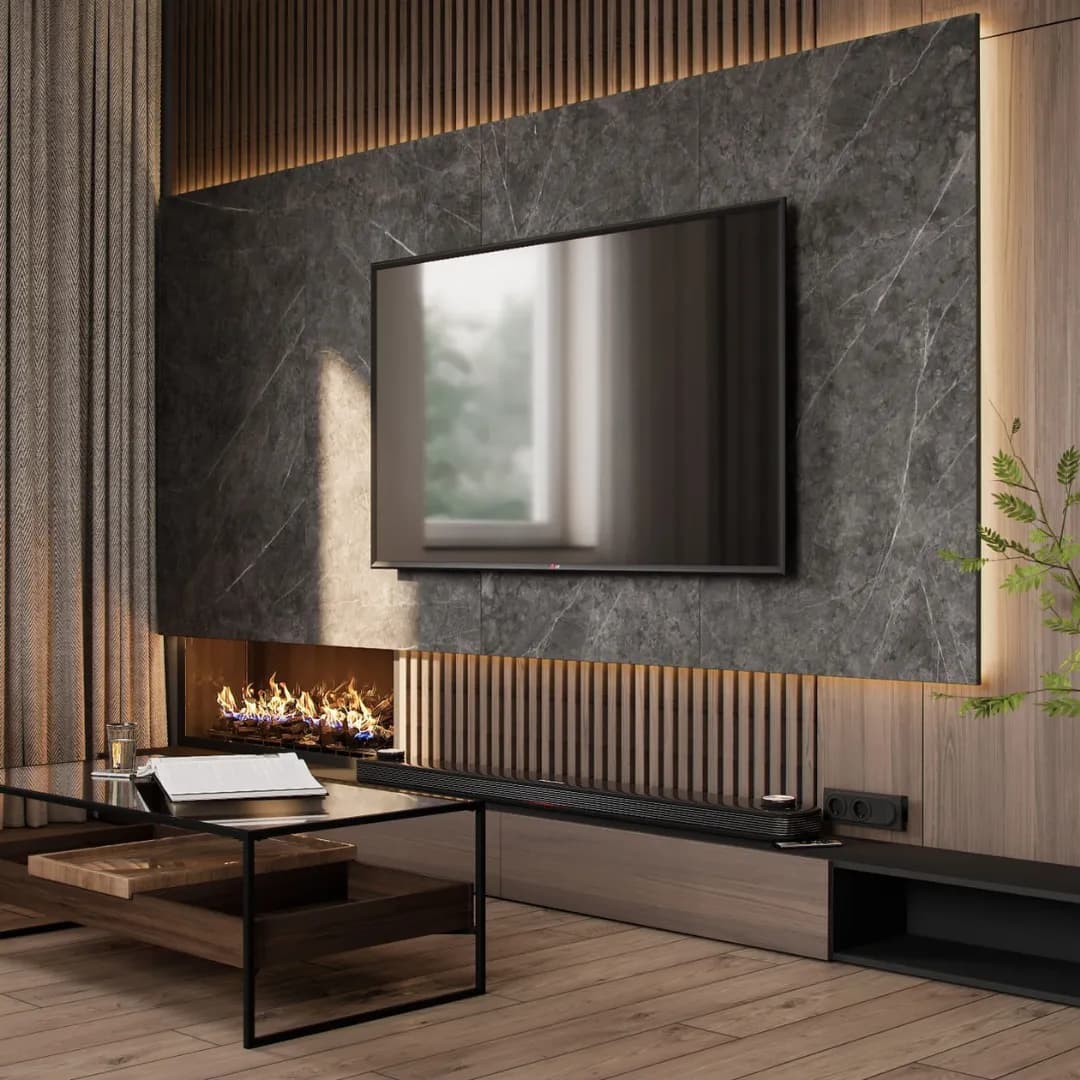

Typical composition of WPC Cladding
Wood plastic composite (WPC) bonds wood fiber with a thermoplastic polymer under heat and pressure, so it looks like wood but holds up like a synthetic.
- Wood fiber60%
- HDPE (high-density polyethylene)35%
- UV stabilizers2%
- Coupling & anti-fungal agents2%
- Color pigments1%
Approximate values based on typical WPC formulations. Exact composition varies by product line.
What each material does
Cladding is all about looks that last, so color that holds and an even finish matter most.
Wood fiber
Gives WPC the look, feel and stiffness of real wood. It's usually fine wood flour, mixed evenly through the board.
HDPE (high-density polyethylene)
The plastic that holds everything together. HDPE doesn't absorb water or rot, and it seals the wood fiber so the board takes on far less moisture than bare wood.
UV stabilizers
Slow down fading and surface wear from strong sun — important in South Florida, where boards see UV all year.
Coupling & anti-fungal agents
Coupling agents bond the wood fiber and plastic into one solid material, for strength and lower water uptake. Anti-fungal agents help the board resist mold and mildew in humid weather.
Color pigments
Give the boards their color. They're mixed into the material during manufacturing, so there's no paint or stain to peel.
What makes WPC a quality material
The right wood-to-plastic balance
Enough plastic to fully seal every wood fiber. Too much wood and boards soak up water and swell; too much plastic and they lose the wood look and move more with heat.
Fiber and plastic properly bonded
Coupling agents turn wood and plastic into one material instead of wood particles sitting loose in plastic. That's what keeps a board strong and stops water working its way in.
Protection built in, not painted on
UV stabilizers, anti-fungal agents and color go into the material itself during manufacturing — so there's nothing to sand, seal or repaint.
Dense, consistent boards
Quality boards are even in color and density all the way through, without voids or patchy spots that let moisture in.
Specifications
Ready for WPC Cladding?
Homeowners: get a free quote. Contractors: trade pricing available — open an account.
Combine this with other products → Design your package